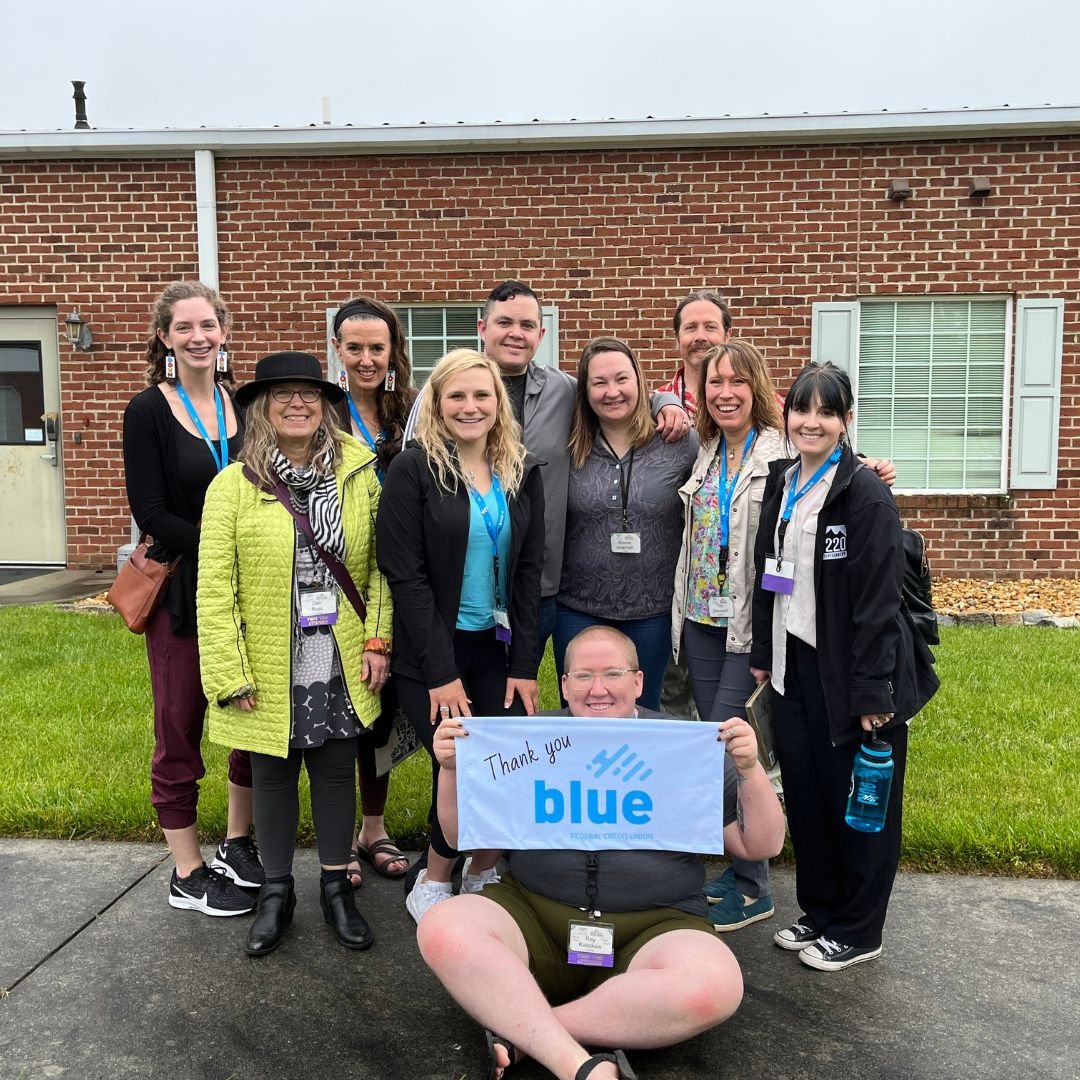
I took notes on fundraising strategy, data collecting, and advocating for the program's needs, yet, I haven’t considered them since I returned home. Instead, I’ve repeatedly played a conversation I had with my partner.
“I’m proud of the work,” I said. “But, I don’t want to work this hard to support the people of privilege anymore.”
In ruminating, I’ve arrived at:
1. Work on Main Street is fluid.
Hearing the widespread conversation around the power of shared narrative at the conference allowed me to see the value in the storytelling work I’ve done for Main Street over the years and presented an opportunity for pivoting. As a staff member and committee volunteer, I have, up until now, gathered the stories, told the stories, and created experiences to have conversations around the stories. Now, as an Executive Board member, I believe it’s time for me to step back from that work and, instead, challenge the stories.
Why are there gaps in diversity?
Why are there repeated challenges?
Where can we identify missteps?
Where are the opportunities to engage in tough conversation?
What are we hearing and not acting on?
The value of this internal shift is not exclusive to me. No different than the infamous “seven-year itch” of lovers, the relationship between Main Street and its people is susceptible to stagnant work and unfulfilling tasks. Assessing the history of a volunteer’s position within the organization and strategically setting challenging and novel goals ahead not only supports the retention of volunteers but also better assures the organization and the individual are mutually reaping the benefit of the relationship.
2. The efficacy of the work requires focus and rest.
Main Street’s success depends on volunteer labor, and dividing that load is the only way to conquer it. Currently, too many individuals are managing too many responsibilities for the organization. This predicament invites us to set individual, self-honoring boundaries and shed commitments, but additionally, it begs conversation on volunteer workload policies and capacity. The organization has been lucky to move forward despite volunteer shortages without significant issues. However, relying on a small collection of individuals for an extensive calendar of events and campaigns leaves us vulnerable to catastrophe in the event of unexpectedly losing a key volunteer. I’m reluctant to expect “luck” to carry the organization as it continues to expand, and this needs to be approached with less conversation and more action.
3. The work was done with privilege for the privileged.
When I came to Main Street, downtown beautification projects and collaborative street events were enough to inspire the work. A rehabbed Christmas wreath brought me to Main Street’s office for the first time. However, the degree to which these projects sustain my work has faded as my understanding of the power of place has grown.
No different than Atlanta, Milwaukee, Seattle, and beyond, Laramie is home to significant populations burdened by the inaccessibility of security and safety in work, healthcare, homes, and support. No different than these conference destinations, Laramie is prone to shift the collective gaze away from these realities. Instead, we must turn toward them.
We had the honor of being celebrated for our work to bolster a lively community–the result of a board and volunteer base that is predominantly white, non-disabled, and of a career and lifestyle that allows for a non-profit’s mid-day meetings, volunteer tasks, and email chains. Now, on the tail of recognizing our capabilities as a team, I believe it’s time to explore actionable solutions that allow Downtown Laramie to be a thriving community for the humans who do not look like or experience the world like us.